

TRANSCEND | EMPOWER | TRANSFORM™
MONTHLY NEWSLETTER
June 2026
Volume 2 | Issue 6
In this month’s newsletter, we’re exploring wellness through a more complete lens — looking at the different domains of wellness that influence how we feel physically, mentally, emotionally, spiritually, socially, environmentally, financially, occupationally, and through rest and recovery. Because wellness is not just about habits or routines. It is also about how supported, grounded, connected, and aligned we feel in our daily lives.
You’ll also find practical guidance, simple wellness strategies, reflections on realistic self-care, and resources designed to help you create routines that support your actual life instead of competing with it.
And beginning this week, I’ll also be sharing weekly wellness tips with subscribers every Thursday — small, realistic pieces of guidance focused on sustainable wellness, everyday habits, and caring for yourself in ways that feel approachable and supportive.
Because sometimes the most meaningful changes do not come from overhauling your life.
Sometimes they begin by simply paying attention to what you need right now.
As June begins, I find myself reflecting on how often wellness becomes more complicated than it needs to be.
So many people are carrying full schedules, changing responsibilities, stress, exhaustion, grief, transitions, or simply the quiet reality that what once worked no longer feels sustainable. And when that happens, there is often an instinct to push harder — to create stricter routines, start over again, or believe we simply need more discipline.
But realistic wellness is rarely built that way.
This month, I wanted to shift the conversation toward what wellness actually looks like in everyday life. Not perfection. Not all-or-nothing thinking. Not trying to force ourselves into routines that no longer fit who we are or the season we are living in.
Instead, I wanted to create something practical, supportive, and honest.


What Realistic Wellness Actually Looks Like
Over the past several months, we’ve shared many conversations about mindset, clarity, emotional wellness, overwhelm, and how to support ourselves differently through the changing seasons of life. I believe this matters deeply. Because wellness isn't just about what we do—it's about how we feel while living our lives.
You might be checking every box, staying productive, handling responsibilities, and still feel exhausted, disconnected, overwhelmed, or like you’re constantly trying to catch up. Many people quietly live in that space longer than they realize. That’s why I wanted this month’s newsletter to focus on realistic wellness—no perfection, no extremes, no rigid routines that only work during calm, predictable times.
True wellness often resides quietly in learning how to support yourself physically, mentally, emotionally, and practically, even amid the messy, exhausting, ever-changing, very human parts of life. The truth is, wellness looks different for everyone.
What feels supportive to one person might feel overwhelming to another. What works in one season may not work in the next.
Sometimes wellness is about building strength and momentum; other times, it’s about slowing down, simplifying, recovering, or learning to stop fighting yourself so hard. There’s no single perfect formula. The key is discovering how to care for yourself in ways that are sustainable, supportive, and aligned with the life you’re actually living.
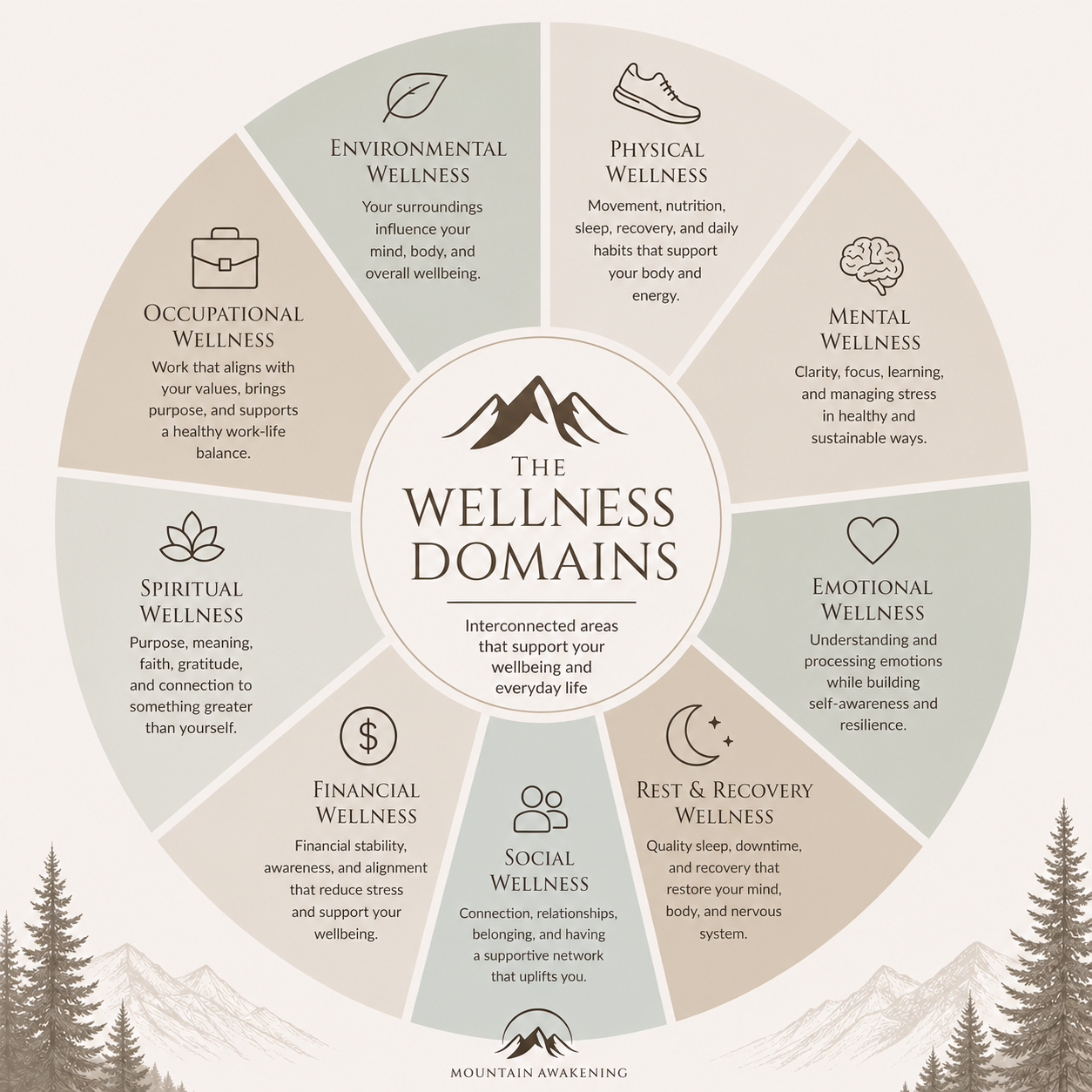
I often think of wellness through different domains—interconnected areas that influence one another. When one struggles, it can ripple into others—physically, emotionally, mentally, relationally, or professionally—sometimes without us fully realizing how all these parts are linked.

Physical Wellness
Physical wellness is often the first thing people think of when they hear the word “wellness,” but for me, it’s about far more than workouts or perfect routines. It’s about movement, nutrition, sleep, hydration, recovery, mobility, energy, and learning how to support your body consistently over time.
Many people are trying to care for themselves while also juggling stress, caregiving responsibilities, changing routines, exhaustion, injuries, or seasons of life that demand more from them. In those moments, all-or-nothing thinking can quietly take hold.
But true wellness is flexible. Some seasons call for strength and momentum. Others call for more rest, more nourishment, more recovery, or simply getting outside for a short walk and drinking more water.
Smaller, steadier habits still matter. Often, those quieter choices become the foundation that supports us most sustainably over time.

Mental Wellness
Mental wellness influences how we think, process information, manage stress, make decisions, and navigate daily life. And I believe many people are carrying a much heavier mental load than they realize.
We live in a world filled with constant stimulation, responsibilities, multitasking, uncertainty, and pressure to keep up with everything at once. Over time, that level of mental overload can become deeply exhausting.
Often, the answer isn’t pushing harder. Mental wellness often improves when we create more space rather than more pressure—by simplifying expectations, stepping away from unnecessary noise, spending time outdoors, or focusing on fewer things at once.
There’s an important difference between growth and mental exhaustion. Learning to recognize that difference can profoundly impact our well-being.

Emotional Wellness
Emotional wellness is our ability to process emotions, navigate stress, acknowledge our needs, and respond to life with greater self-awareness and compassion.
Many high-functioning adults spend years taking care of everyone else, staying productive, or pushing through difficult seasons without ever slowing down long enough to process what they’re carrying.
Eventually, that emotional weight catches up with us. It may appear as exhaustion, irritability, anxiety, overwhelm, numbness, difficulty sleeping, or a growing sense of disconnection from ourselves.
Emotional wellness does not mean being positive all the time. It means learning how to support yourself honestly and compassionately through uncertainty, stress, grief, transitions, and changing seasons of life.
And perhaps most importantly, it means recognizing that you do not have to earn rest, softness, support, or compassion through exhaustion.

Rest & Recovery Wellness
Rest is often overlooked when it comes to wellness, especially in a culture that celebrates endless productivity and pushing through exhaustion. Many people find themselves in a constant state of physical, mental, and emotional exhaustion, believing that all they need is more discipline or greater efficiency.
However, recovery truly matters. Your nervous system, sleep, and the ability to slow down are vital. Eventually, your body and mind will signal that they need rest, one way or another.
Rest is not laziness. Recovery is not a sign of weakness. Creating space to rest does not mean you're falling behind in life. In fact, recovery is what enables us to show up sustainably over time.
Sometimes, genuine wellness looks like protecting your sleep, stepping away from overstimulation, allowing yourself quiet moments, spending time outdoors, or simply giving yourself permission to release pressure and relax.
Those things matter more than people realize.

Social Wellness
Social wellness is about connection, belonging, support, and relationships that positively impact our well-being. Even in a world that is more digitally connected than ever, many people still feel emotionally isolated.
Supportive relationships matter. Feeling safe, understood, encouraged, and accepted matters.
At the same time, social wellness sometimes requires difficult honesty. Some relationships energize us, while others leave us emotionally depleted, anxious, or overwhelmed.
A realistic approach to wellness involves paying attention to how our relationships affect our nervous system, emotional health, and overall sense of well-being.
Sometimes wellness means setting healthier boundaries, protecting your peace more carefully, or prioritizing relationships that feel reciprocal and supportive.

Financial Wellness
Financial wellness is not about perfection or having every aspect of life figured out financially. It’s about creating greater stability, awareness, and alignment between your finances and your overall well-being.
Financial stress impacts far more than money itself. It can affect sleep, emotional health, stress levels, physical well-being, relationships, and our sense of safety and support in daily life.
Many people quietly carry financial pressure while still trying to function normally on the outside.
Realistic financial wellness is often built gradually—through awareness, healthier habits, realistic goals, and learning to approach finances with less judgment and more honesty.
Small improvements still matter. Progress does not become meaningless simply because it is gradual.

Spiritual Wellness
Spiritual wellness looks different for everyone, and it’s important to recognize and honor those differences.
For some, it involves faith. For others, it may encompass nature, gratitude, reflection, purpose, stillness, connection, or simply feeling grounded in something larger than themselves.
This aspect of wellness often becomes especially meaningful during times of change, grief, uncertainty, growth, or emotional exhaustion, as it helps create perspective, foster connection, and deepen our sense of meaning.
Personally, I find that nature, faith, and my prayer life are some of the places where I feel most grounded and connected. They offer me space to breathe, reflect, reset, and reconnect with myself in a quiet, meaningful way.
Sometimes, spiritual wellness is about learning to slow down enough to listen inwardly, reconnect with what matters most, and allow space for peace and perspective to reemerge.
At times, it’s simply about learning to slow down enough to hear yourself think again.
Environmental Wellness
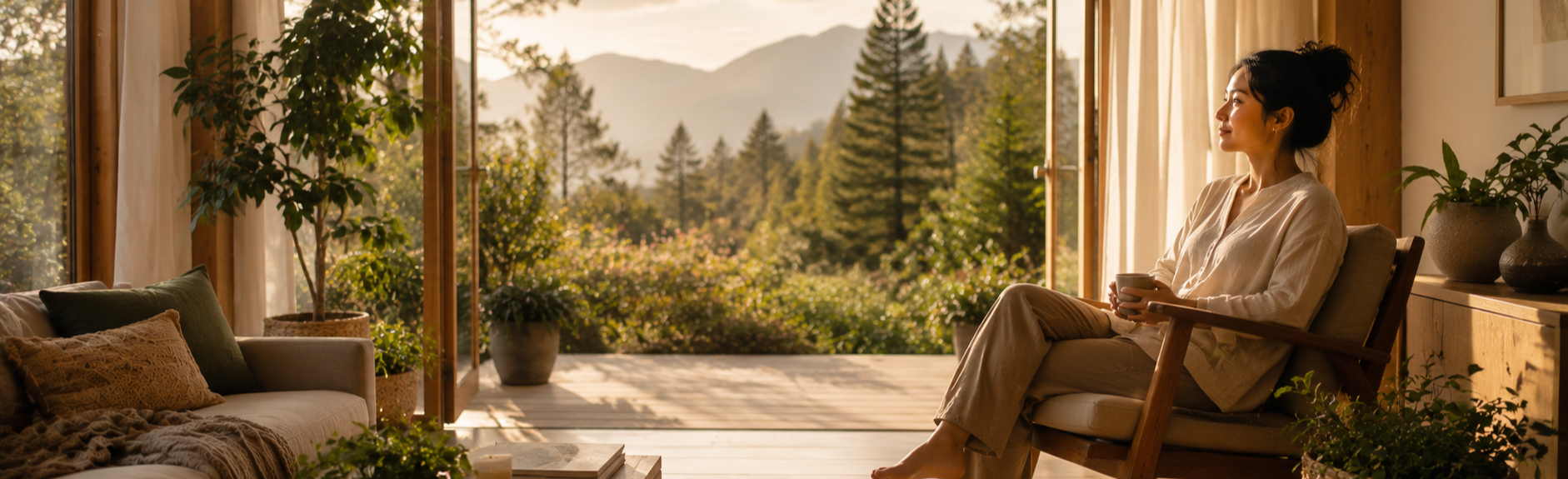
Our environments influence us more than we often realize. Noise, clutter, chaos, overstimulation, tension, and a lack of natural light—being constantly surrounded by stressful spaces can quietly affect our nervous systems over time.
Environmental wellness involves creating spaces that feel supportive, calming, functional, and aligned with how you want to feel. This doesn't mean that your life or home needs to be perfect. It’s more about paying attention to whether your environment nurtures your well-being or consistently drains it.
Sometimes, even small changes can make a significant difference. Opening windows, simplifying a space that feels overwhelming, spending more time outside, establishing a calming evening routine, or reducing unnecessary chaos—all of these actions can help support your nervous system more than you might realize.

Occupational Wellness
Occupational wellness extends beyond simply having a career or a job. It’s about how your work influences your overall well-being.
Work can bring purpose, fulfillment, growth, and connection. But without balance or recovery, it can also contribute to chronic stress, burnout, emotional depletion, and exhaustion.
Having navigated my own corporate career, I understand these struggles deeply. One of the most important lessons I’ve learned is that sustainable success should never come at the expense of your health and well-being.
Many people ignore early signs of burnout because they believe pushing harder is their only option. Yet eventually, the mind and body begin asking for support in ways that become difficult to overlook.
Sometimes occupational wellness means setting healthier boundaries, allowing more recovery, reevaluating expectations, or recognizing that productivity is not the sole measure of your worth.

Wellness is Meant to Support Your Life
At the end of the day, wellness is not about becoming perfect. It’s about creating a life that feels more supported, sustainable, and aligned with who you are and how you want to live.
Often, realistic wellness begins with much smaller steps than people expect: a little more sleep, a more realistic plan, a healthier boundary, a short walk outside, a nourishing meal, more recovery, asking for support, or creating a little more space to breathe.
These small actions matter, too. Sometimes, it’s the quieter choices that gradually help us feel more like ourselves again.
Wellness was never meant to become another source of pressure. It was always meant to support your life and your well-being.

Product Spotlight | Thorne
Over the years, I’ve become increasingly intentional about the wellness products and companies I choose to recommend. There is a tremendous amount of noise in the wellness space, and I believe people deserve guidance that feels thoughtful, trustworthy, evidence-informed, and supportive of long-term health rather than quick fixes.
That’s one of the reasons I’m excited to share that I’ve partnered with Thorne.
Thorne is a wellness company known for its commitment to research, ingredient quality, testing standards, and science-backed formulations. Their products are trusted by many health professionals, athletes, and individuals seeking a more intentional approach to supporting their health and well-being.
Many years ago, during my endurance training journey, I first learned about Thorne from a nutrition coach who strongly recommended their products for recovery, performance, and overall wellness. Since then, they’ve remained one of the brands I continue to come back to personally.
As Mountain Awakening continues to grow, I want any wellness partnerships I share to align with the same values that guide my coaching approach: sustainability, education, realism, and supporting the body with consistency rather than extremes.
Throughout the coming months, I’ll occasionally share some of the products I personally use, have found helpful, or believe may support specific wellness goals and routines.
Disclosure: I am a Thorne Ambassador and may receive compensation for purchases made through my links. As always, I only share products and resources that genuinely align with my personal wellness philosophy and the approach I bring to Mountain Awakening.

This Month’s Reflection
As you move through the coming weeks, I invite you to gently notice where you may be trying to force yourself back into routines, expectations, or versions of yourself that no longer fit the season you are in now.
Not every season of life requires pushing harder.
Sometimes wellness asks something different of us. More rest. More honesty. More flexibility. More compassion. More support. More space to breathe.
Sometimes the strongest thing we can do is stop measuring ourselves against what used to work and begin paying attention to what we actually need today.
Maybe this month is not about starting over. Maybe it’s about learning how to support yourself differently.
And perhaps realistic wellness is not built through perfection at all — but through the quieter choices that help us feel more grounded, more connected, and more like ourselves again.
This month, I encourage you to reflect on this:
What is one small shift that would help support the life you are living right now?
If something in this month’s reflection resonated with you…
if you’re finding yourself thinking a little differently, or feeling ready for a shift—
The Trailhead Session is a place to begin.
A space to pause, reflect, and reconnect with what matters most—so your next step can feel grounded,
clear, and aligned with the life you want to create.
If you feel called to go deeper, you’re also invited to explore:
Coaching Journeys
Focused Wellness Sessions
Each offering is designed to support sustainable wellness in a way that feels practical,
supportive, and aligned with your season of life.