The Mountain Didn’t Ask Me to Be Someone Else
“I have written eleven books, but each time I think,
‘Uh-oh, they’re going to find out now.
I’ve run a game on everybody,
and they’re going to find me out.’”- Maya Angelou
Rethinking What Wellness Looks Like
In this month’s newsletter, I began a conversation about what wellness really looks like.
Too often, we have been taught to define wellness by appearances, performance, or productivity, or by how closely someone seems to fit the image of what we think “healthy,” “strong,” or “successful” should look like. But the more I reflect on my own experiences and the people I meet along the way, the more I believe that wellness is far more human than that. It is not always loud or obvious. Sometimes it looks like resilience. Sometimes it looks like courage. Sometimes it looks like quietly continuing, even when you are not sure you belong.
“Perhaps wellness is far more human
than we have been taught to believe.”
As I thought about that idea, I realized how deeply it connects to one of the most important lessons I have learned in my own wellness journey: the experience of imposter syndrome.
When You Don’t Think You Belong
There are moments in life when we begin something new and almost immediately wonder if we have any business being there. We look around and convince ourselves that everyone else is more qualified, more capable, more confident, or somehow more deserving. We tell ourselves that if we do not look the part, then perhaps we do not belong.
That was me when I signed up for 29029.
I was never an athlete. I hated gym class growing up. I was not the person who ran races, joined teams, or thought of herself as especially athletic. Walking and hiking had always been something quieter for me — something I did for peace, reflection, and the chance to reconnect with myself. I loved being outdoors. I loved the mountains. But I never would have described myself as an “endurance athlete.”
Then COVID happened.
Like many people, I found myself reevaluating so much of life. There was grief, change, uncertainty, and a growing awareness that I did not want to keep living inside the limits I had unconsciously accepted for myself. I wanted to push beyond what felt comfortable. I wanted to discover what I was capable of.
That was when I signed up for 29029.
Part of me thought it made perfect sense. I loved hiking, and this was not a race. It was not about beating anyone else. It was me against me.
But another part of me arrived carrying full-blown imposter syndrome.
I looked around and saw people who seemed stronger, fitter, faster, and more experienced. They moved up the mountain with ease. They looked like what I thought an endurance athlete was supposed to look like.
And even though people would refer to me as one, I could not accept it. Because in my mind, endurance athletes did not look like me.
“We tell ourselves that if we do not look the part,
perhaps we do not belong.”
I told myself that they were thinner, younger, faster, stronger. They had always been athletic. They had probably never stood in the back of gym class hoping no one would notice them. They certainly had not spent years believing that movement was something they were “supposed” to do, rather than something they could actually enjoy.
The truth is, I had spent much of my life carrying a very narrow definition of what strength looked like.
The Moment That Brought Every Old Story Back
A year later, while training for my second 29029, I traveled to Snowbasin in Utah. One day, I was on my third ascent up the mountain. I had stopped for a few minutes to rest, catch my breath, and have something to eat.
A younger woman came quickly up the trail and stopped nearby. We started talking, and she mentioned that she was doing 29029.
I smiled and said that I was, too.
“You’re doing 29029?” she asked.
And then she looked me up and down.
“‘You’re doing 29029?’
And then she looked me up and down.”
It was only a moment.
She may not have meant anything by it. Perhaps she was simply trying to picture me out there on the mountain.
But in that instant, every old story came rushing back.
The ones that whispered that I did not belong there. That I was not fit enough. That I did not look the part. That people like me did not do things like this.
For a moment, I almost believed those stories again.
What the Mountain Showed Me
But then something inside me shifted. Because I was not standing at the bottom of the mountain wishing I could do it. I was standing on my third climb up that mountain.
“I was not standing at the bottom of the mountain wishing I could do it.
I was standing on my third climb up that mountain.”
I had already shown up. I had already done the work. I was not there because I looked like everyone else. I was not there because it was easy. I was not there because I had done it perfectly.
I was there because I kept taking the next step.
And maybe that is what endurance really is.
Where Imposter Syndrome Shows Up in the Rest of Life
The older I get, the more I think imposter syndrome follows us into the places that matter most. It shows up when we change careers, start a business, take care of our bodies, set a boundary, speak up, try something new, or begin again after disappointment. We convince ourselves that we need more confidence, more experience, more certainty, or more proof before we are allowed to take up space.
“Imposter syndrome rarely stays on the mountain.
It follows us into the places that matter most.”
But perhaps wellness — and growth — do not ask us to become someone else. Perhaps they simply ask us to show up as we are.
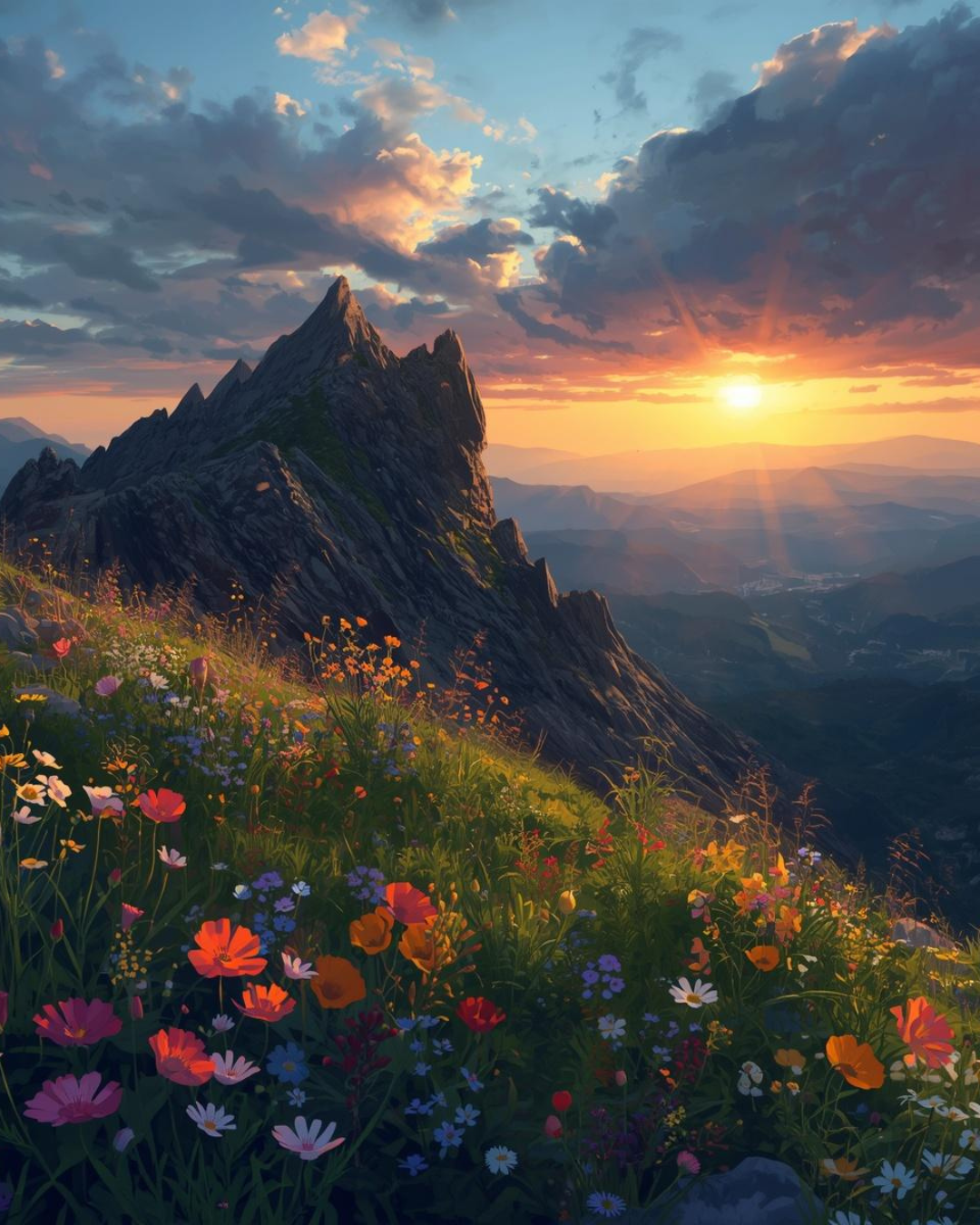
This is what the mountain taught me. The mountain never asked me to be faster. It never asked me to be younger. It never asked me to look different.
It only asked me to keep climbing.
A More Human Definition of Wellness
When I think back to the conversation we began in this month’s newsletter — a more human definition of wellness — I realize this is exactly what I mean.
Wellness is not reserved for the people who seem to have it all together. It is not limited to the people who look the part.
“Wellness is not reserved for the people
who look like they have it all together.”
Sometimes wellness is choosing to do something hard even while carrying fear, insecurity, grief, self-doubt, or the belief that you do not belong. Sometimes it is learning to challenge the old stories you have been telling yourself. And, sometimes it is allowing yourself to take up space in places where you once thought you had no right to be.
One Step at a Time
If you have ever felt like an imposter because you did not look like what you thought strength, success, wellness, or courage was supposed to look like, please know this:
You do not have to earn your place by becoming someone else.
You are allowed to begin before you feel ready.
You are allowed to take up space.
You are allowed to do hard things in your own way.
“You do not have to earn your place
by becoming someone else.”
And perhaps, just perhaps, the mountain — and life — is not asking you to become someone else either.
It is only asking you to keep taking the next step.
Mountain Mindset
Sometimes the stories we tell ourselves sound like the truth simply because we have heard them for so long.
You are too old. Too inexperienced. Too different. Too far behind. Not strong enough. Not the kind of person who does things like this.
But what if those stories are not the truth? What if you do not have to look the part to belong? What if strength is not about being fearless, confident, or perfect—but about continuing to show up anyway?
The mountain never asked me to become someone else. It only asked me to keep taking the next step.
Reflection Questions
Where in your life have you been questioning whether you belong?
What story have you been telling yourself about who you need to be before you are “ready”?
If you let go of that story, what might become possible?
What is one small next step you could take this week—not because you feel completely ready, but because you are ready to stop waiting?
You do not have to have every answer before you begin.
A Gentle Next Step
Perhaps your next step is not to have all the answers,
but to give yourself the space to reflect on what you need now.
The Trailhead Session was created for moments like that.